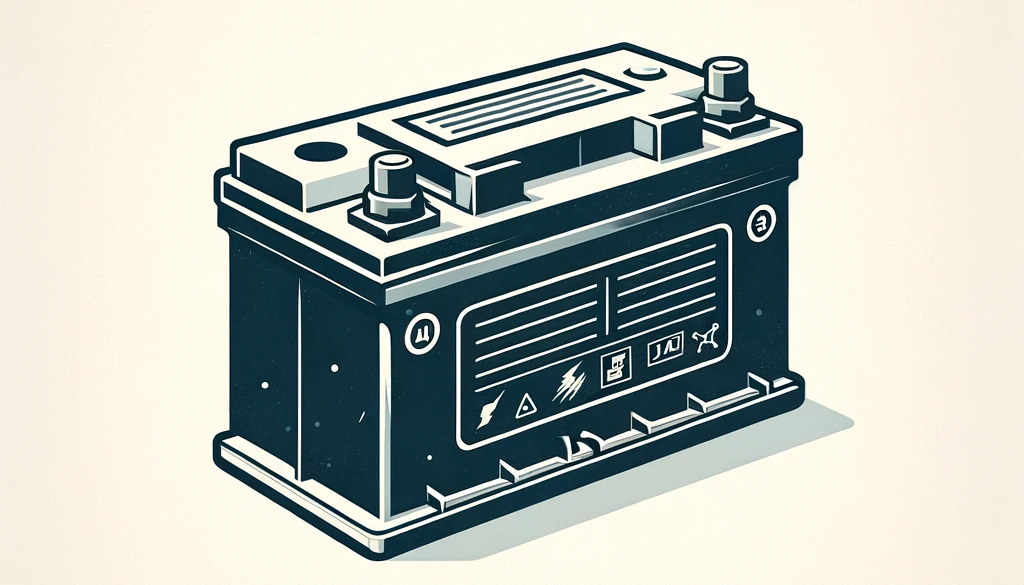
- After every use: Recharge fully (don’t leave discharged overnight)
- Weekly: Check water levels in flooded batteries
- Monthly: Clean terminals, check for corrosion
- Every 3 months: Equalization charge (flooded batteries)
- Annually: Load test each battery individually
- Before storage: Full charge + disconnect charger after charge complete
Golf cart batteries are one of the most demanding deep-cycle applications in the consumer market. A typical 48V golf cart pack cycles daily, discharges to 50–70% depth, and is expected to last 4–7 years. Getting to the high end of that range — or beyond — requires consistent, correct maintenance. This guide covers everything you need to know.
Types of Golf Cart Batteries
Compare the construction in our lead-acid battery guide and use the series-versus-parallel wiring guide to understand how individual batteries form a cart pack.
Flooded Lead-Acid (Standard)
The vast majority of golf carts ship with flooded lead-acid batteries — typically six 8V batteries in series for a 48V system, or six 6V batteries for a 36V system. They’re inexpensive, proven, widely available, and serviceable. The trade-off is regular maintenance (watering, equalization) and relatively short service life of 4–6 years with proper maintenance, 2–3 years without.
AGM Lead-Acid
Sealed, maintenance-free alternative to flooded. Higher upfront cost (1.5–2x flooded), no watering required, better vibration resistance, but similar overall cycle life. A good choice for carts that are hard to access for regular maintenance or stored in locations where acid spillage is a concern.
Lithium (LiFePO4)
Premium upgrade increasingly chosen for high-use applications (commercial golf courses, resort fleets, personal carts kept 10+ years). Benefits: 2,000–5,000 cycle life vs 500–800 for flooded, 60–70% lighter pack weight (significantly improves performance), no maintenance, and 80%+ usable depth of discharge vs 50% for lead-acid. Cost is 3–5x flooded but can be the better economic choice over a 10-year ownership period.
How to Water Golf Cart Batteries
Watering is the most critical and most commonly neglected maintenance task for flooded golf cart batteries.
When to Water
For routine watering, check and top up after a full charge. If the plates are exposed before charging, first add only enough distilled water to cover them. During charging, the electrolyte expands, so filling to the final level beforehand can cause overflow. Follow the battery manufacturer’s inspection schedule and check more often in hot weather or heavy use.
How Much to Add
After charging, add distilled water to the battery manufacturer’s specified fill level, using its fill indicator or vent-well guidance. Keep the plates covered, leave the specified space below the vent well, and do not fill to the cell opening. The required level varies by battery design; overfilling can cause electrolyte to overflow during charging and corrode terminals and the tray.

What to Use
Distilled water only. Tap water contains minerals (calcium, magnesium, chlorine) that contaminate the electrolyte, accelerate plate degradation, and significantly shorten battery life. Distilled water is available at most grocery stores for under $2 per gallon — use it religiously.
Pro Tip: Automatic Watering Systems
For club fleets or high-use personal carts, automatic watering systems (Flow-Rite Pro-Fill, BWT) attach to all cells and allow all cells to be filled simultaneously from a single-point connection — taking what was a 15-minute job down to under 2 minutes.
How to Charge Golf Cart Batteries Properly
- Charge after every use — don’t wait for a low battery: Lead-acid batteries sulfate when left in a discharged state. Returning a discharged battery to charge promptly is the single most important habit for longevity.
- Use the charger that came with the cart: Golf cart chargers are matched to the battery pack voltage and capacity. Using an undersized charger or a mismatched automotive charger can undercharge or damage batteries.
- Charge fully every time: Partial charging (stopping at 80%) might seem gentler, but for flooded lead-acid it’s actually harmful over time. These batteries need to reach full charge regularly to prevent stratification (acid concentration differences in the electrolyte).
- Unplug when charge is complete: Most modern golf cart chargers automatically shut off when charging is complete. Don’t leave the cart plugged in indefinitely on older chargers without automatic shutoff — trickle overcharging boils off electrolyte and damages plates.
Equalizing Golf Cart Batteries
Equalization is a controlled overcharge — intentionally charging the pack above its normal full-charge voltage for a period of time to break down sulfate buildup and balance cell capacity across the pack. It causes the batteries to gas vigorously (venting hydrogen), so it must be done in a well-ventilated area.
- Frequency: Every 30–45 days for flooded batteries in regular use
- How: Most modern golf cart chargers have an equalization mode — consult your charger manual. If not, a smart battery charger with equalization function (set to the correct pack voltage) can be used.
- Signs you need it: Uneven battery temperatures after charging, widely varying voltages across batteries in the pack, reduced range or performance
- Do not equalize: AGM or gel batteries, sealed batteries, or lithium batteries
Cleaning Battery Terminals
Corroded terminals increase resistance, reduce charging efficiency, and can cause heat buildup. Clean them annually or whenever you see white/blue-green buildup:
- Disconnect cables (negative first)
- Mix 1 tablespoon baking soda in a cup of water
- Apply with a stiff brush — the mixture will fizz as it neutralizes acid
- Rinse with clean water
- Dry thoroughly
- Apply anti-corrosion spray or petroleum jelly to terminals before reconnecting
- Reconnect cables (positive first) and tighten securely
Signs You Need New Golf Cart Batteries
- Cart doesn’t complete a full round on a full charge (range has dropped 30%+)
- One or more batteries consistently run hotter than others after charging
- A single battery tests significantly lower voltage than the others
- Batteries require watering more than once a week (plates may be exposed, indicating damage)
- Batteries are 5+ years old and performance is declining despite proper maintenance
Replace all batteries at once: When one battery in a pack fails, replacing only that one is usually counterproductive. The new battery will be dragged down by the aging remainder of the pack within a year. Replace all batteries simultaneously to get the full benefit of a fresh pack.
Frequently Asked Questions
How long do golf cart batteries last?
With proper maintenance (regular watering, prompt recharging, quarterly equalization), flooded lead-acid golf cart batteries last 5–7 years. Without maintenance, expect 2–3 years. AGM batteries in golf carts last 4–6 years with no maintenance required. LiFePO4 batteries are rated for 2,000–5,000 cycles, which translates to 10–15+ years in typical golf cart use.
Can I use car batteries in a golf cart?
Automotive batteries are designed for high burst current (starting engines) and shallow cycling. Golf cart applications require deep cycling — regularly discharging to 50% depth. Automotive batteries fail quickly in this application, typically lasting less than a year. Always use batteries specifically designed for deep-cycle service.
How do I know which battery is bad in my golf cart?
After a full charge, let the pack sit 1 hour and then measure the voltage of each individual battery with a multimeter. All batteries should read within 0.3–0.5V of each other. A battery reading significantly lower (0.5V+ below the others) is likely the weak link. Confirm with a load tester that measures each battery under simulated load — most auto parts stores offer free battery testing.
Should I store my golf cart plugged in?
For carts with modern automatic chargers: yes, it’s generally fine to leave it plugged in. The charger maintains the battery without overcharging. For older chargers without automatic shutoff: charge to full then unplug. For storage longer than 30 days without a charger: charge to full, unplug, and plan to recharge monthly to prevent self-discharge and sulfation.