FAQs

FAQs

What Happens If You Overcharge a Battery?

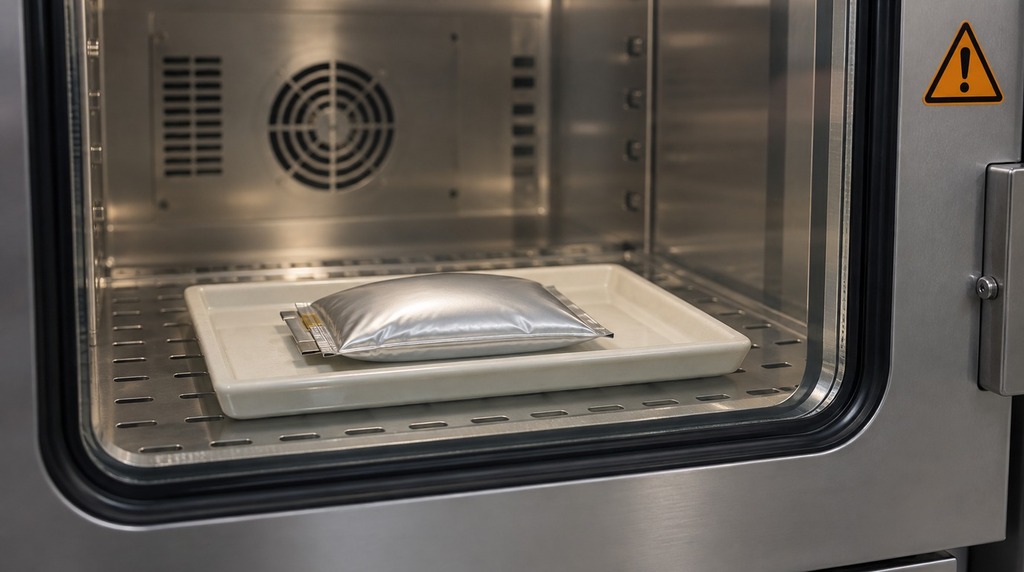
Short Answer: Overcharging generates excessive heat, damages cell chemistry, and in severe cases can cause lithium batteries to enter thermal runaway (fire). Lead-acid batteries suffer electrolyte loss, plate damage, and accelerated aging. Modern smart chargers prevent overcharging automatically — using a dumb charger on any battery is a risk. Battery overcharging is one of the […]

FAQs

What’s the Difference Between a Deep Cycle and a Starter Battery?

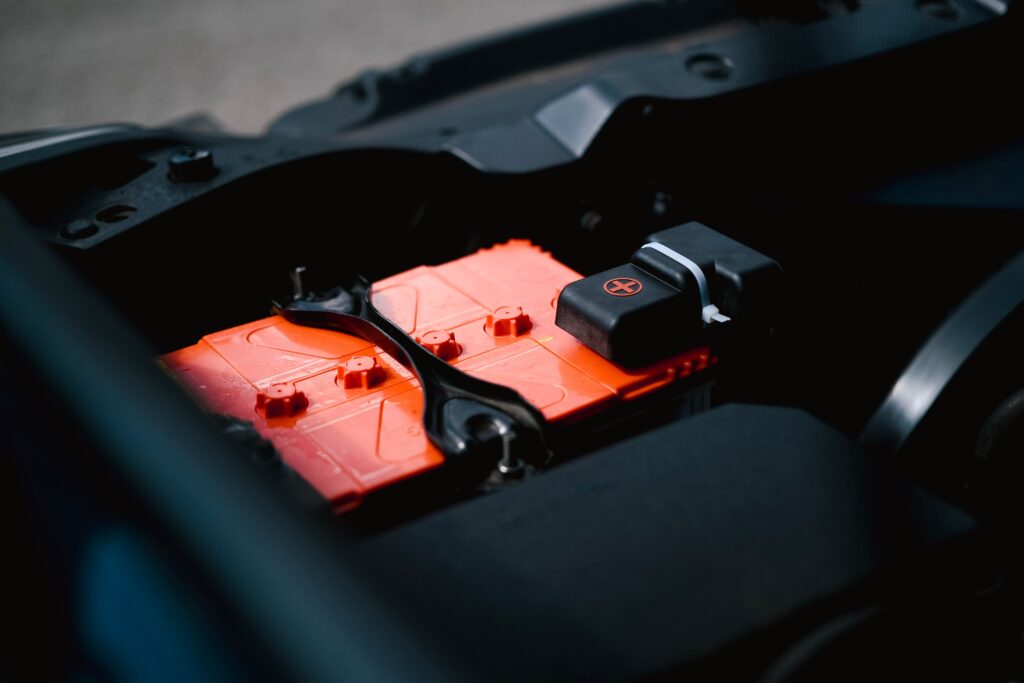
Short Answer: Starter batteries deliver a huge burst of current for 1–2 seconds to start an engine, then recharge immediately. Deep cycle batteries deliver moderate current over many hours, designed for repeated discharge to 50%+. Using the wrong type in the wrong application significantly shortens battery life. Starter battery. Deep cycle battery. Dual-purpose battery. If

FAQs

How Long Does a Car Battery Last?

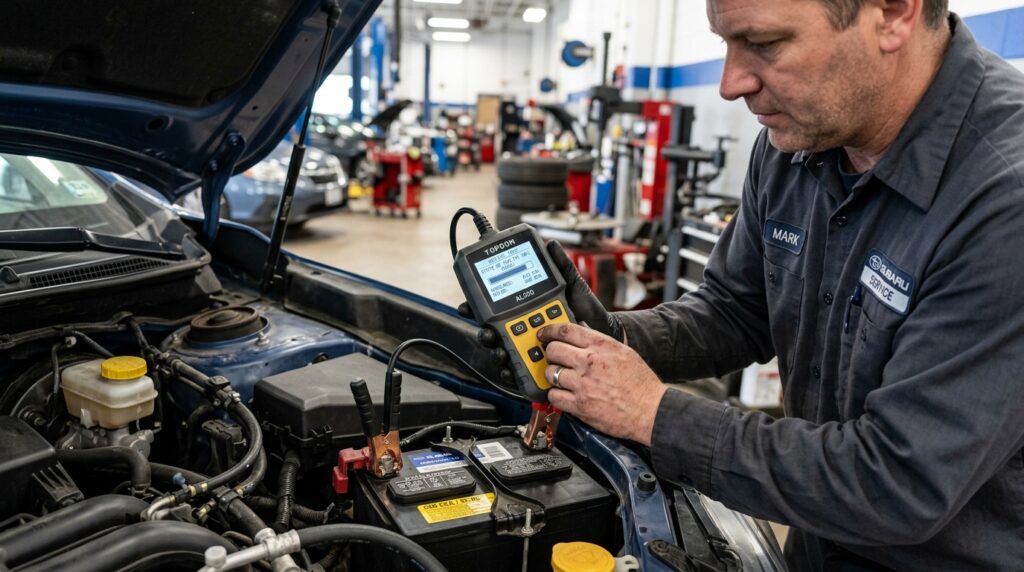
Short Answer: The average car battery lasts 3–5 years. In hot climates (Southwest US, Southern states), expect 2–4 years. In moderate climates with good maintenance habits, quality batteries can last 5–7 years. Proactively replace at 4–5 years before it leaves you stranded. A car battery is one of those components you don’t think about until

FAQs

What Is LiFePO4 and Is It Better Than Regular Lithium-Ion?

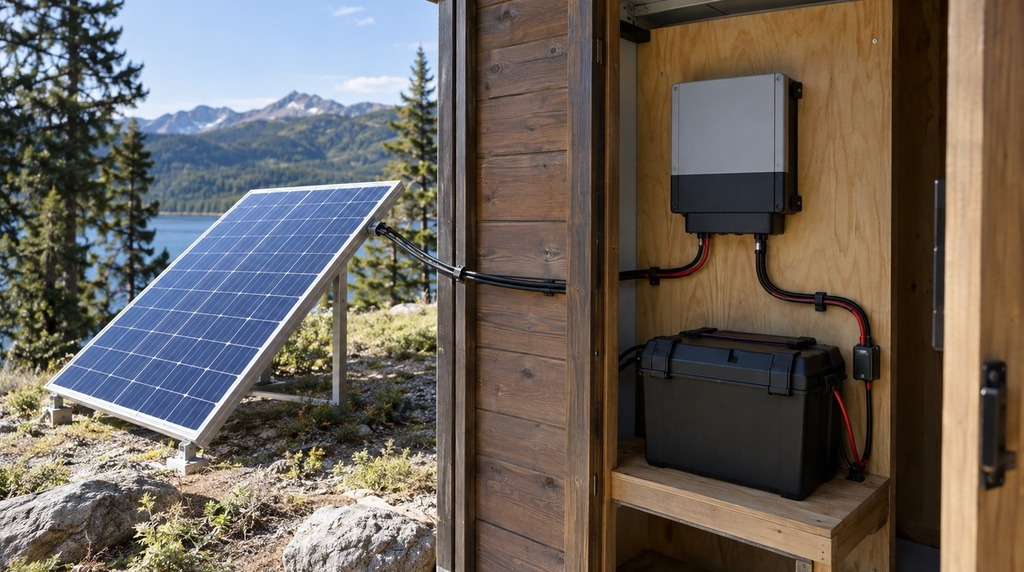
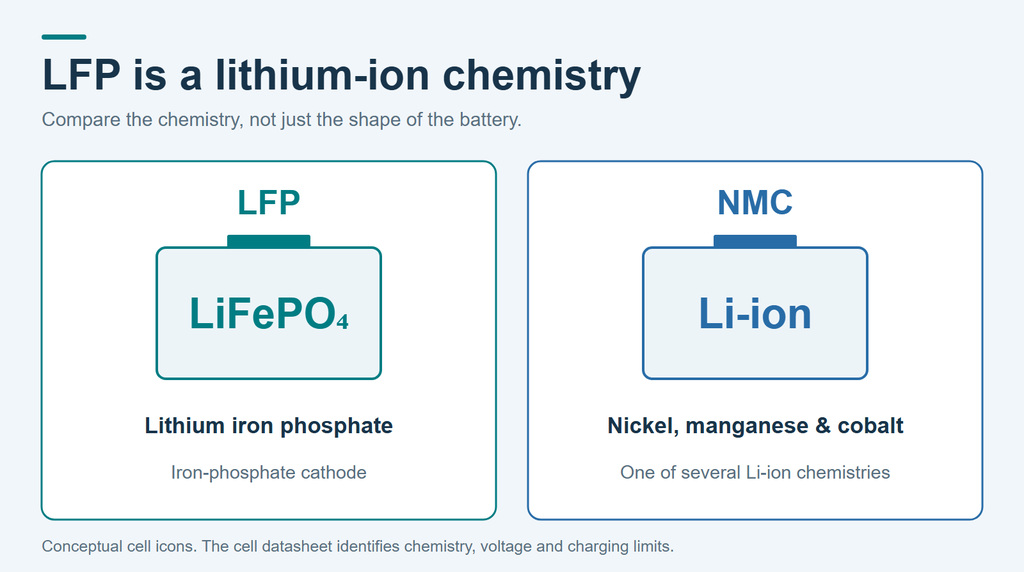
Short Answer: LiFePO4 is a type of lithium-ion battery with an iron phosphate cathode. It’s safer, lasts 3–10x longer, but stores less energy per kilogram than regular lithium-ion (NMC). It’s better for most stationary, RV, marine, and deep-cycle applications. NMC is better for phones, laptops, and EVs where energy density and weight matter most. You’ve

Scroll to Top