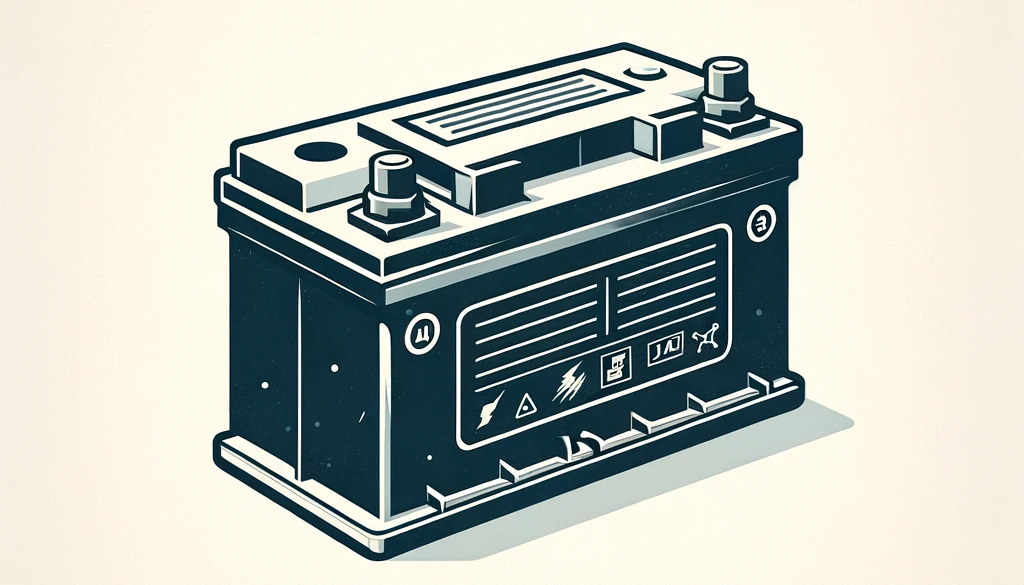
A dead car battery is frustrating — but before spending $150–$300 on a replacement, it’s worth understanding whether reconditioning might restore it. This guide explains what reconditioning actually does, the step-by-step process for doing it, and — just as importantly — when it won’t work and you should replace the battery instead.
What Is Battery Reconditioning?
Over time, lead-acid batteries develop sulfation — lead sulfate crystals form on the lead plates and reduce the surface area available for the chemical reaction that generates electricity. Mild sulfation is reversible; severe sulfation is not. Reconditioning uses a combination of chemical treatment and controlled charging to dissolve these crystals and restore capacity.
It’s important to be clear about what reconditioning can and cannot do:
- Can help: Mild to moderate sulfation in a battery that’s otherwise structurally sound
- Cannot help: Shorted cells, physically damaged plates, corroded terminals, cracked cases, or severe sulfation from prolonged discharge
- Not applicable to: AGM or gel batteries (don’t open them), lithium batteries (completely different chemistry)
Can Your Battery Be Reconditioned? (Quick Assessment)
- Check resting voltage: With a multimeter, measure voltage after the battery has sat for at least 2 hours. Above 12V = candidate for reconditioning. Below 10V = likely has a shorted cell — replace it.
- Check age: Batteries over 5 years old have aged plates that reconditioning won’t significantly restore. Best candidates are 1–4 years old.
- Check physical condition: Any cracks, bulging, or severe corrosion = replace.
- Check caps: Only flooded batteries with removable caps can be reconditioned this way. AGM and maintenance-free batteries with no caps cannot have their electrolyte accessed.
Method 1: Epsom Salt Treatment
What you need: Epsom salt (magnesium sulfate, available at pharmacies), distilled water, battery charger, safety glasses, gloves, turkey baster or syringe, funnel.
Step 1: Prepare the Electrolyte Solution
Dissolve 1 part Epsom salt in 3 parts warm distilled water. For a typical car battery (about 1 liter of electrolyte total), you’ll need roughly 250ml of solution per cell (6 cells in a 12V battery). Use only distilled water — tap water contains minerals that contaminate battery electrolyte.
Step 2: Remove and Drain Existing Electrolyte
Remove the cell caps. Use a turkey baster to carefully remove the old electrolyte from each cell into a container for proper disposal. Sulfuric acid electrolyte must be disposed of properly — most auto parts stores accept it.
Step 3: Rinse the Cells
Fill each cell with distilled water, slosh gently, and drain completely. Repeat once. This removes old degraded electrolyte and loose sulfate deposits.
Step 4: Fill with Epsom Salt Solution
Fill each cell to the correct level (plates should be covered with about 5mm of clearance to the cap opening) with the Epsom salt solution. Replace caps loosely — don’t seal completely as gas needs to escape during charging.
Step 5: Slow Charge
Connect a smart battery charger set to its lowest charge rate (2–4 amps). Charge slowly for 24–48 hours. The slow charge helps break down sulfate crystals more effectively than fast charging. The battery will bubble lightly during charging — this is normal.
Step 6: Test and Cycle
After the initial charge, let the battery rest for 2 hours then measure voltage (should be 12.6–12.8V). Then perform a load test (or discharge to 50% and recharge) to assess actual capacity recovery. Repeat the charge/discharge cycle 2–3 times to maximize sulfate dissolution.
Method 2: Electronic Desulfation
Battery desulfators are electronic devices that apply high-frequency pulses to the battery, using resonance to break down sulfate crystals without any chemical treatment. They’re safer (no acid handling), work on maintenance-free batteries, and can be left connected indefinitely as a preventive measure.
- How they work: Pulses at specific frequencies (typically 1–4 MHz) match the resonant frequency of lead sulfate crystals, causing them to fracture and dissolve back into solution.
- Best for: Mild sulfation, preventive use on stored vehicles, batteries you don’t want to open.
- Limitations: Slower than chemical reconditioning. Won’t recover severely degraded batteries. Results are variable.
- Products: Battery Tender Pulse Tech, CTEK (has a built-in reconditioning step that incorporates desulfation pulses), dedicated desulfators from Pulsetech.
When to Give Up and Buy a New Battery
- Resting voltage below 10V (shorted cell)
- Battery won’t accept a charge at all after reconditioning
- Physical damage: cracks, swelling, severe corrosion
- Battery is over 5 years old
- After 2–3 reconditioning attempts with no improvement
- Load test still fails after reconditioning (capacity not recovering)
A quality replacement battery from a reputable brand costs $80–$200 and will reliably start your car for 4–7 years. If reconditioning consumes significant time and the result is a 60%-capacity battery, replacement is usually the better economic choice.
Frequently Asked Questions
Does Epsom salt actually work for reconditioning batteries?
For lightly to moderately sulfated batteries, yes — the magnesium sulfate can help displace and dissolve lead sulfate crystals on the plates. Results vary significantly based on how badly the battery is sulfated and its overall condition. Expect 40–70% capacity restoration in good candidates. Severely sulfated or damaged batteries won’t respond regardless of treatment.
Can you recondition an AGM battery?
No — not with this method. AGM batteries are sealed; you cannot access the electrolyte. Electronic desulfation devices can be used on AGM batteries (connected externally) and may help with mild sulfation, but the chemical treatment method is strictly for flooded (vented) lead-acid batteries only.
How many times can you recondition a battery?
Typically 2–3 times before the diminishing returns make it not worth the effort. Each reconditioning cycle that successfully restores capacity also slightly works the plate material, eventually leaving too little active material for useful capacity. Most reconditioned batteries last 6–18 months before requiring reconditioning again or replacement.
Is reconditioning worth it financially?
At the cost of Epsom salt (~$5) and your time (2–3 hours hands-on plus 24–48 hours charging), it’s worth trying once on a battery that’s 1–4 years old with a known good physical condition. If the reconditioning fails or the battery only partially recovers, you’ve lost little. Don’t invest in expensive equipment for occasional home use — the payback period for a $100 desulfator on your own batteries rarely makes financial sense.