Severe weather events, aging regional utility grids, and rolling blackouts have transformed home backup power from an off-grid hobby into an essential household investment. While noisy, fossil-fuel gas generators were once the only choice, modern whole-home solar generators provide silent, zero-emission, push-button power that operates safely indoors.
In this guide, we test and rank the top high-capacity solar generator systems of 2026, breaking down 120V vs 240V split-phase output, transfer switch integration, solar recharging speeds, and real-world appliance runtimes.
Top Whole-Home Backup Power Stations Compared
| System | Base Battery Capacity | Expandable To | Continuous AC Output | Split-Phase 240V? | Max Solar Input | Chemistry |
|---|---|---|---|---|---|---|
| EcoFlow Delta Pro Ultra | 6,000 Wh (6 kWh) | Up to 90 kWh | 7,200W (21.6kW peak) | Yes (Native 120V/240V) | 5,600W | LiFePO4 (3,500+ cycles) |
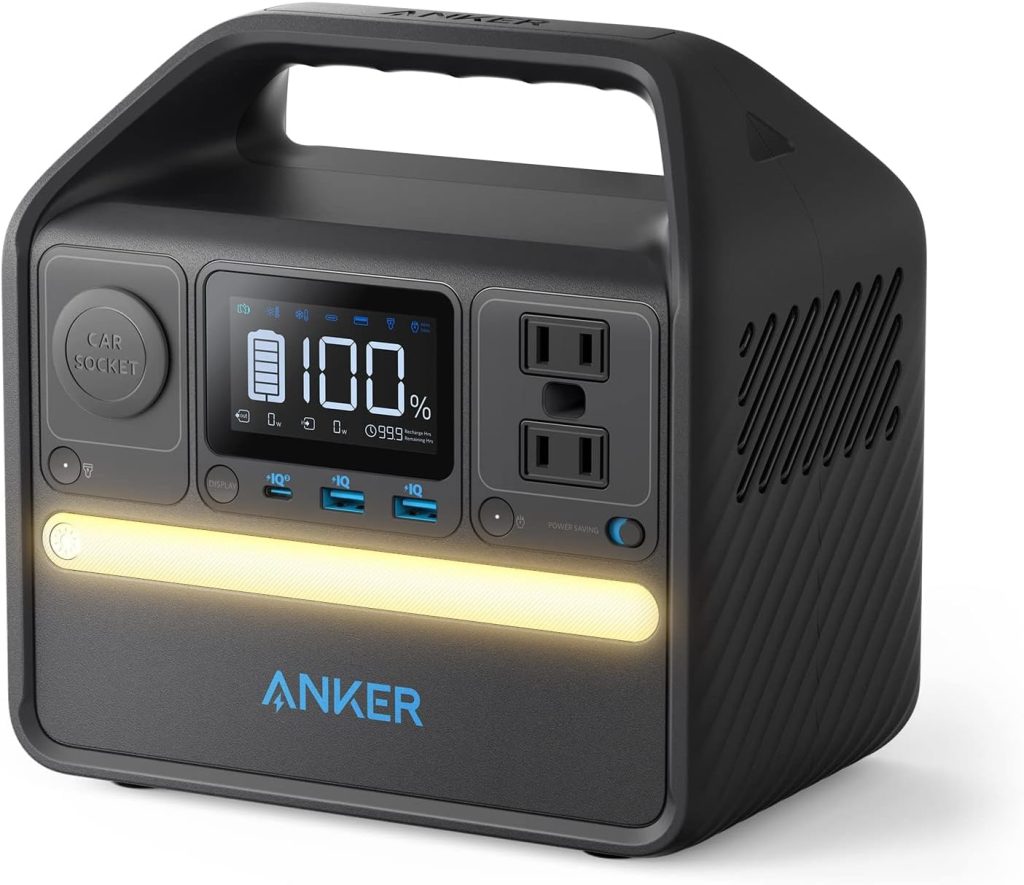
| Anker SOLIX F3800 | 3,840 Wh (3.8 kWh) | Up to 26.9 kWh | 6,000W (9,000W peak) | Yes (Native 120V/240V) | 2,400W | LiFePO4 (3,000+ cycles) |
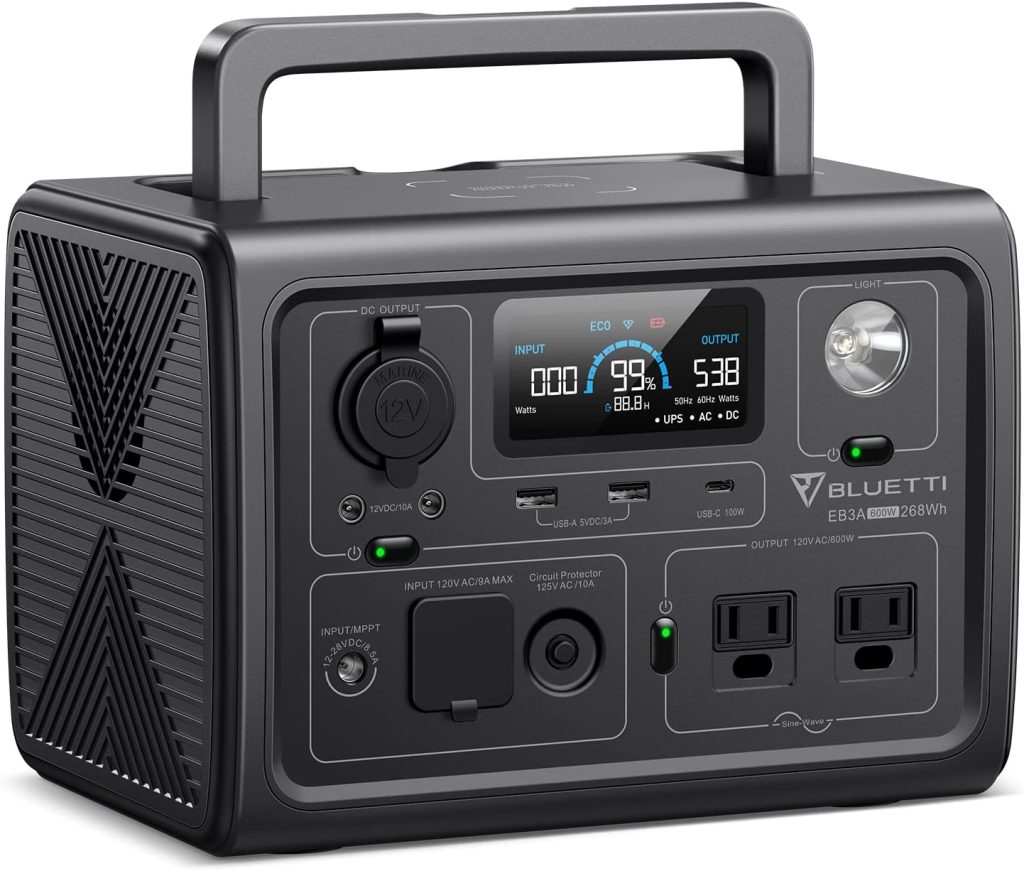
| Bluetti AC500 + B300S | 3,072 Wh (3.1 kWh) | Up to 18.4 kWh | 5,000W (10,000W peak) | Yes (With 2 units / Fusion box) | 3,000W | LiFePO4 (3,500+ cycles) |
| EcoFlow Delta Pro 3 | 4,096 Wh (4.1 kWh) | Up to 12.3 kWh | 4,000W (8,000W peak) | Yes (Native 120V/240V) | 2,600W | LiFePO4 (4,000+ cycles) |
1. Best Overall Whole-Home System: EcoFlow Delta Pro Ultra
The EcoFlow Delta Pro Ultra is an engineering tour de force designed specifically to replace whole-home standby generators. Unlike portable power stations that require daisy-chaining two units together to produce 240V, the Delta Pro Ultra inverter stack outputs native 120V/240V split-phase power straight out of the box.
Performance in Blackouts: With 7,200 Watts of continuous AC output, it can effortlessly start a 3-ton central air conditioner (especially when paired with a soft starter), power a 240V submerged well pump, and run refrigerators, lights, and home networking simultaneously. Its massive 5,600W dual-PV solar input allows you to recharge a depleted 6kWh battery stack in under 2 hours of optimal sunlight.
2. Best Value for Clean Integration: Anker SOLIX F3800
Anker’s SOLIX F3800 represents the most homeowner-friendly design on the market. It includes built-in heavy-duty wheels, an integrated pull handle, and a direct NEMA 14-50R 240V outlet that can plug directly into an EV charging cable or a home manual transfer switch inlet box.
Standout Feature: Direct EV Charging: The F3800 is the first home backup power station that can directly recharge an electric vehicle at Level 2 speeds (6kW output), giving stranded EVs 10 to 15 miles of emergency range during a regional power blackout.
3. Best for Modular Solar Installations: Bluetti AC500
Bluetti’s modular philosophy separates the inverter head unit (AC500) from the heavy battery expansion packs (B300S). This makes installation and transport far easier than wrestling a single 150-pound monolithic box up basement stairs.
The B300S battery packs feature proprietary internal self-heating technology, ensuring the batteries can safely accept high-current solar charging even when installed in unheated garages in sub-zero winter temperatures.
How to Connect a Solar Generator to Your House Electrical Panel
To power household circuits safely during an outage, you must never connect a generator into a standard wall socket (a dangerous and illegal practice known as “backfeeding”). There are two code-compliant methods:
- Manual Transfer Switch (MTS): A licensed electrician installs a 6-circuit or 10-circuit transfer sub-panel ($400 to $800 parts & labor) next to your main breaker box. During a blackout, you connect a heavy 4-prong generator cord to an outdoor power inlet box and flip the transfer switches from “Line” to “Generator.”
- Smart Home Panel (e.g., EcoFlow Smart Home Panel 2): Integrates permanently into your home electrical system, providing automated sub-20ms power failover (UPS grade) so desktop computers and medical devices never lose power when the grid drops.
Frequently Asked Questions
Can a solar generator run a central air conditioner?
Yes, provided the system outputs 240V split-phase power and can handle the compressor’s startup surge. A 3-ton central AC typically requires a 3,500W to 4,500W running load but may surge to 15,000W during compressor startup. Installing an aftermarket ‘Soft Starter’ (like a Micro-Air EasyStart) reduces startup surge by up to 70%, allowing units like the EcoFlow Delta Pro Ultra or Anker SOLIX F3800 to start central AC easily.
How many days can a whole-home solar generator run without sun?
A typical energy-conscious household during a power outage consumes between 5 kWh and 10 kWh per day (running refrigerators, LED lights, internet router, well pump, and phones). A 12 kWh battery bank will provide 24 to 48 hours of complete autonomy without any solar recharge or generator input.
What is the difference between LiFePO4 and Lithium-Ion in solar generators?
Older solar generators used NMC (Nickel Manganese Cobalt) lithium-ion, which lasts 500 to 800 cycles before degrading to 80% capacity (about 2 to 3 years of daily use). Modern systems use LiFePO4 (Lithium Iron Phosphate), which delivers 3,000 to 4,000+ cycles (over 10 years of daily cycling) and is thermally incapable of catching fire during overcharge or puncture.
Can I charge a solar generator with a gas generator?
Yes. All top-tier units feature high-speed AC wall charging inputs. If a major winter storm knocks out power and snow covers your solar panels, you can run a compact, fuel-efficient 2,000W inverter generator for 90 minutes to charge the battery bank from 0% to 80%, then shut off the noisy gas generator and enjoy silent power for the rest of the day.