You turn the ignition key and hear either a rapid mechanical clicking or absolute silence. Before spending $150 to $300 on a new car battery or $400 to $800 on an alternator replacement, you need to know which component has failed. Replacing a good battery when your alternator is shot will only leave you stranded again two days later.
In this diagnostic walkthrough, we explain how your vehicle’s charging system works and provide a step-by-step 5-minute multimeter test that identifies the culprit with 100% certainty.
How the Battery and Alternator Work Together
To diagnose the problem, you must first understand the division of labor beneath your vehicle’s hood:
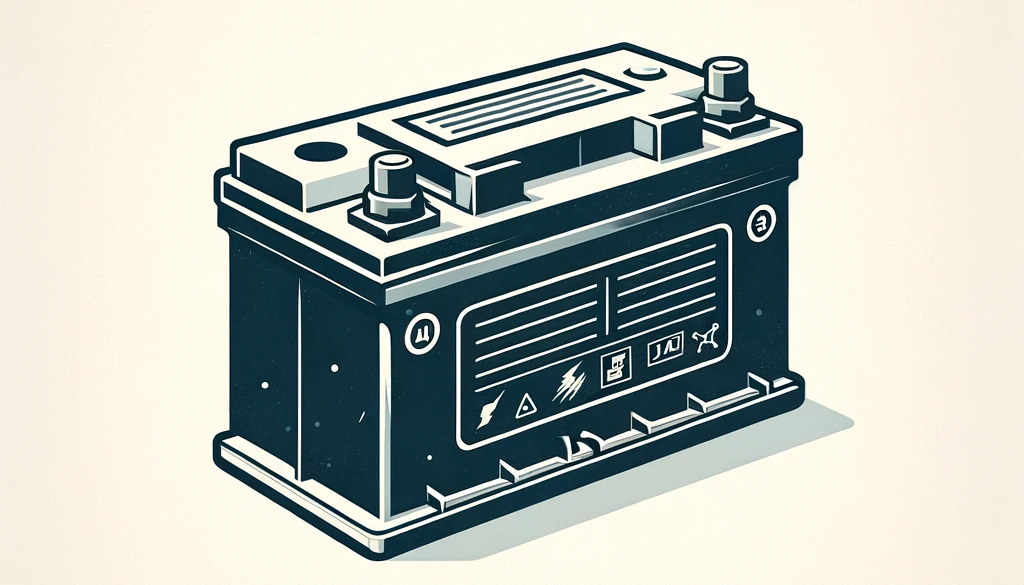
- The Battery’s Sole Job: To provide a massive burst of electrical energy (300 to 800 Cold Cranking Amps) for 2 to 3 seconds to spin the starter motor and crank the engine. Once the engine starts, the battery’s primary work is finished.
- The Alternator’s Job: Once the engine is spinning, the accessory drive belt turns the alternator rotor. The alternator generates all electrical power for the vehicle—spark plugs, fuel injectors, headlights, radio, air conditioning—and simultaneously recharges the energy drained from the battery during startup.
Symptom Comparison: Battery Failure vs. Alternator Failure
Our guide to car battery lifespan explains age-related failures; the portable jump-starter guide covers equipment for getting a discharged vehicle started.
| Symptom | Likely Bad Battery | Likely Bad Alternator |
|---|---|---|
| Engine cranks slowly or clicks | Very Common | Only if battery was drained while driving |
| Car runs fine after jump-start | Yes (keeps running until shut off) | No (dies within seconds to minutes) |
| Battery warning light on dashboard | Rarely triggers while driving | Illuminates while driving |
| Headlights dim or brighten with RPM | No | Yes (voltage fluctuates with engine speed) |
| Burning rubber or electrical smell | No | Yes (slipping belt or burnt stator diodes) |
| Interior electronics cut out while driving | No | Yes (radio, navigation screen reboot) |
The 5-Step Multimeter Diagnostic Test
To definitively diagnose your charging system, you need a basic digital multimeter (a $15 tool from any hardware store).
Step 1: Measure Resting Battery Voltage (Engine OFF)
Set your multimeter to DC Volts (20V DC scale). Connect the red probe to the battery’s positive (+) terminal and the black probe to the negative (-) terminal.

- 12.6V to 12.8V: 100% fully charged battery.
- 12.2V to 12.4V: Partially discharged (50% to 75% capacity). Charge before testing.
- Below 11.9V: Completely discharged or sulfated dead cell.
Step 2: Crank Voltage Test
Have a helper crank the ignition while you observe the multimeter display on the battery terminals:
- If voltage drops between 9.6V and 10.5V while cranking, the battery has healthy cranking capacity.
- If voltage plummets below 9.6V (often down to 5V or 6V), the battery cannot support the starter load and has internal plate degradation or a shorted cell. Replace the battery.
Step 3: Measure Running Charging Voltage (Engine ON)
Start the vehicle (using a jump pack if necessary) and let the engine idle at 1,500 to 2,000 RPM. Place probes on battery terminals:
- Healthy Alternator Reading: Between 13.8V and 14.6V. This proves the alternator’s internal voltage regulator is operating properly and actively charging the battery.
- Bad Alternator Reading: Below 13.2V. If the meter shows 12.2V or continues steadily declining while the engine runs, the alternator is generating zero charging current.
- Overcharging Alternator: Above 15.0V. A failed voltage regulator is cooking your battery with excessive voltage, causing boiling electrolyte and sulfuric odor.
Step 4: The Electrical Load Test
With the engine idling, switch on your high-beam headlights, cabin heater fan on max, rear window defroster, and windshield wipers. Read the meter:
- A healthy alternator will maintain at least 13.5V to 14.2V under full load.
- If the voltage plunges below 12.8V under load, one or more internal alternator diodes have failed, reducing its current capacity by 30% to 60%.
Step 5: Inspect the Serpentine Belt and Connections
Before replacing an alternator that failed Step 3 or 4, inspect the drive belt. A glazed, cracked, or slipping serpentine belt will not spin the alternator pulley at proper speed. Also inspect the heavy B+ power cable on the rear of the alternator for green corrosion or loose nuts.
Frequently Asked Questions
Can a dead battery ruin a good alternator?
Yes. An alternator is designed to maintain and top off a battery, not recharge a completely dead battery from 0%. Driving with a deeply discharged or internally shorted battery forces the alternator to produce maximum rated output continuously, causing internal diodes to overheat and burn out prematurely.
Why did my battery die even though the alternator is brand new?
Common causes include a slipping or improperly tensioned serpentine belt, corroded battery terminal clamps creating high electrical resistance, a blown main alternator fuse (often 100A to 150A in the under-hood fuse box), or an overnight parasitic drain draining the battery while parked.
Is the old ‘disconnect the negative cable while the car is running’ test safe?
Never do this on modern vehicles. Disconnecting the battery while the engine runs eliminates the battery’s capacitive filtering effect. This causes instantaneous voltage spikes up to 40V to 60V, which will instantly fry sensitive engine control modules (ECMs), transmission computers, and digital dash clusters.
How long does a typical car alternator last?
Modern alternators typically last between 100,000 and 150,000 miles (approximately 7 to 10 years). High thermal stress, oil leaks dripping onto the alternator housing, and heavy aftermarket audio amplifiers can shorten lifespan significantly.
Related Reading: For more in-depth testing, see our guide on Top Cold Climate Car Batteries.