In the article “Why Do Batteries Leak, And What Should I Do If They Do?”, you will discover the reasons behind battery leakage and gain helpful tips on how to handle the situation if it occurs. Whether you’ve experienced a leaking battery before or want to be prepared for the future, this article will provide you with valuable insights to ensure your safety and protect your devices. So, let’s delve into the world of batteries and find out why they leak and what steps you can take to mitigate the issue.
Introduction
Overview of battery leakage
Battery leakage refers to the phenomenon where the chemicals inside a battery escape from its casing. This can result in visible corrosion, a strange smell, battery swelling, and device malfunctioning. If not addressed promptly, battery leakage can lead to severe consequences such as chemical damage to devices, environmental impact, risk of injury or burns, and even fire or explosion. It is crucial to understand the causes and signs of battery leakage, as well as the preventive measures and proper handling techniques to ensure the safety of yourself, your devices, and the environment.
Importance of addressing battery leakage
Addressing battery leakage is of utmost importance to maintain the functionality and integrity of your devices and to reduce potential hazards. The corrosive chemicals present in leaking batteries can cause irreversible damage to electronic devices, often resulting in costly repairs or replacement. Additionally, battery leakage poses a significant environmental threat as the chemicals can contaminate soil and water sources if not disposed of correctly. By being proactive in managing battery leakage, you not only protect your own well-being but also contribute to a cleaner and safer environment for everyone.
Causes of Battery Leakage
Age and degradation
As batteries age, their internal components degrade, making them more susceptible to leakage. Over time, the casing may develop microscopic cracks or weaknesses, allowing chemicals to escape. It is essential to regularly check the expiration date of batteries and replace them before deterioration occurs.
Overcharging
Overcharging batteries can cause excessive heat and stress on their internal components, leading to battery leakage. This is particularly common with rechargeable batteries, as they can be left connected to charging sources for extended periods. To prevent overcharging, ensure you use the correct charger and follow the manufacturer’s guidelines regarding charging time and capacity.
Heat and extreme temperatures
Exposing batteries to high temperatures can accelerate chemical reactions within them, increasing the likelihood of leakage. Extreme cold temperatures can also cause batteries to discharge quickly, leading to leakage. It is vital to store batteries in a cool, dry place and avoid subjecting them to extreme temperatures.
Incorrect storage
Improper storage can also contribute to battery leakage. Storing batteries in humid environments or alongside other metallic objects can cause short circuits, leading to leakage. It is advisable to store batteries in their original packaging or a designated battery container away from moisture and metal objects.
Defective batteries
Defective batteries are at a higher risk of leakage due to manufacturing faults or damage during transportation. Always purchase batteries from reputable brands to reduce the chances of encountering defective products. If you notice any abnormalities with new batteries, such as visible damage or packaging defects, it is best to avoid using them and seek a replacement.
Signs of Battery Leakage
Visible corrosion
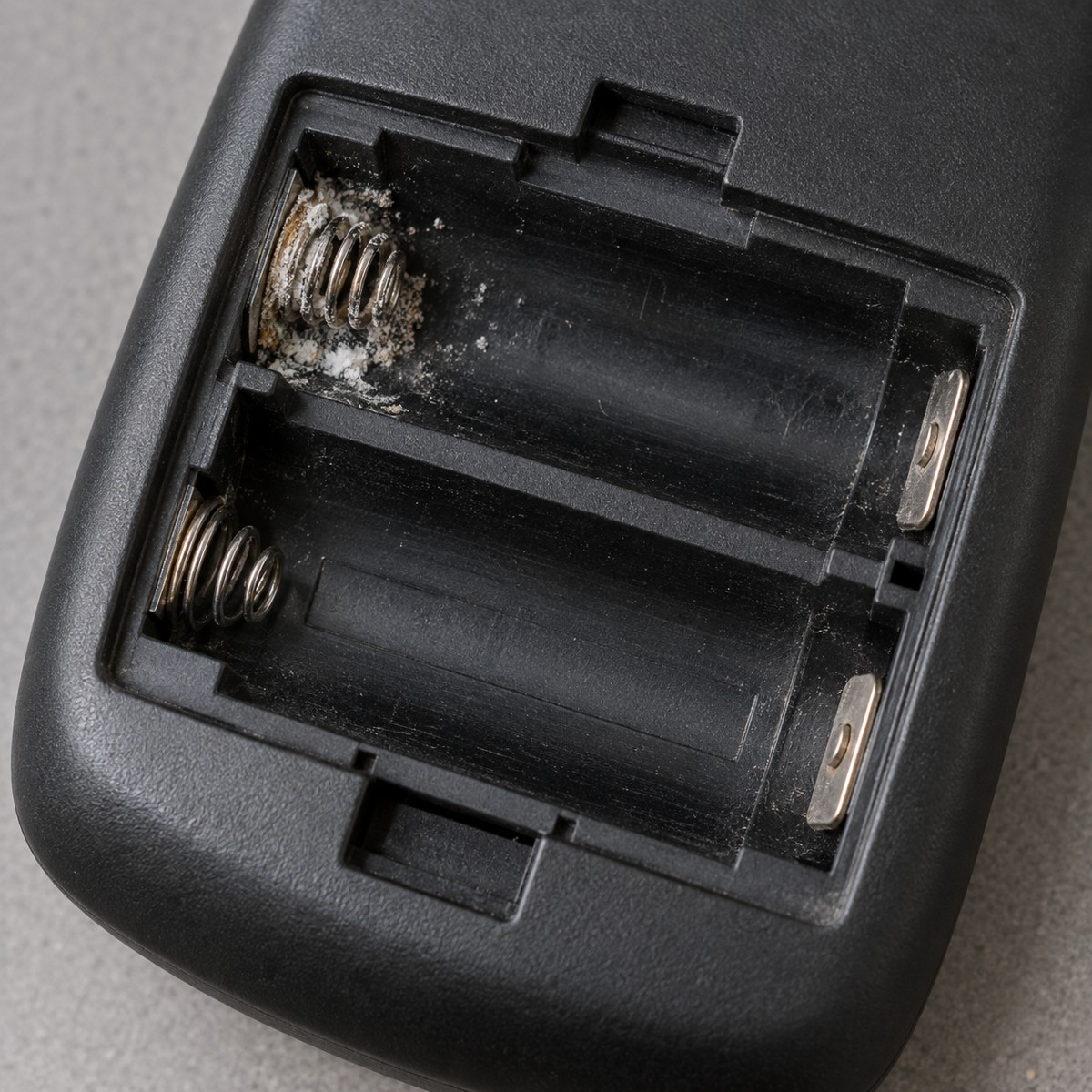
One of the most noticeable signs of battery leakage is visible corrosion around the battery compartment or on the battery itself. Corrosion appears as a powdery white or blue substance and may spread if left unattended. Regularly inspect your devices and batteries for any signs of corrosion.
Strange smell or odor
Leaking batteries often emit a distinct, pungent odor that is hard to miss. If you notice an unusual smell coming from your device or battery compartment, it could be a sign of battery leakage. Take immediate action to address the issue and prevent further damage.
Battery swelling or distortion
When chemicals leak from a battery, it can cause swelling or distortion of the battery’s shape. If you observe any unusual bulging or distortion of the battery, avoid using it and follow the appropriate handling procedures.
Device malfunctioning
Battery leakage can lead to device malfunctioning, such as sudden power loss, flickering screens, or erratic behavior. If your device starts exhibiting abnormal issues that cannot be attributed to other factors, it is worth investigating the possibility of battery leakage and taking necessary steps to resolve the problem.
Hazards and Consequences
Chemical damage to devices
Battery leakage can cause severe chemical damage to devices, including corrosion of metal components and circuitry. This damage may render the device inoperable, requiring costly repairs or replacement. The corrosive chemicals can eat away at delicate electronic parts, leading to irreversible damage.
Environmental impact
Leaking batteries pose a significant environmental threat if not disposed of properly. The chemicals can seep into the ground if the batteries are discarded in regular trash, contaminating soil and potentially entering water systems. This can have detrimental effects on plants, animals, and ecosystems. Proper disposal of batteries is crucial to minimize environmental damage.
Risk of injury or burns
Leaking batteries contain corrosive chemicals that can cause skin irritation, burns, or injury if they come into contact with your skin. It is essential to handle leaking batteries with caution and wearing protective gloves when dealing with them.
Fire or explosion
In more extreme cases, battery leakage can lead to fire or explosion. The combination of chemicals, heat, and flammable materials can create a dangerous situation. It is vital to address battery leakage promptly and follow appropriate handling procedures to prevent accidents and ensure personal safety.
Preventive Measures
The guide to mixing battery brands and types explains matched replacements; the recycling guide covers where used cells should go after removal.
Replace old or expired batteries
Regularly check the expiration date on batteries and replace them before they become old or degraded. Using fresh batteries reduces the likelihood of leakage and ensures optimal performance.
Avoid overcharging
Follow the manufacturer’s guidelines for charging batteries, whether they are rechargeable or not. Avoid leaving batteries connected to charging sources for extended periods, as overcharging can lead to leakage.
Store batteries properly
Store batteries in a cool, dry place to prevent degradation and leakage. Avoid storing them in humid environments or alongside metallic objects that can cause short circuits.
Use high-quality batteries
Choose batteries from reputable brands known for their quality and reliability. Higher-quality batteries are less likely to experience leakage, ensuring the safety of your devices and reducing environmental impact.
Inspect devices regularly
Regularly inspect your devices for signs of battery leakage, such as visible corrosion or strange odors. If you notice any abnormalities, take immediate action to prevent further damage.
Handling Leaking Batteries
Safety precautions
When handling leaking batteries, it is crucial to prioritize safety. Wear protective gloves to avoid skin contact with corrosive materials and work in a well-ventilated area to minimize inhalation of harmful fumes.
Identify and remove affected batteries
Identify the leaking battery and carefully remove it from the device. Use disposable gloves or a non-metallic tool to avoid direct contact. Place the leaking battery in a leak-proof bag or container to prevent further contamination.
Clean the battery compartment
After removing the leaking battery, clean the battery compartment with a soft cloth or cotton swab dipped in a mild cleaning solution. Ensure the compartment is thoroughly dry before inserting a new battery.
Dispose of leaking batteries responsibly
Leaking batteries should not be thrown in the regular trash. Contact your local waste management facility or follow specific guidelines for battery disposal in your area to dispose of them responsibly. Many communities offer battery recycling programs to ensure safe and environmentally friendly disposal.
Dealing with Corrosion
Safety precautions
Before attempting to clean corrosion, take safety precautions by wearing gloves and working in a well-ventilated area. Avoid inhaling or ingesting any of the corrosive substances.
Cleaning tools and materials
To clean corrosion from devices, you will need a soft cloth or cotton swab, a mild cleaning solution (such as a mixture of baking soda and water), and a small brush or toothbrush for scrubbing. Ensure the cleaning solution is mild to avoid potential damage to the device.
Removing corrosion from devices
Dampen the cloth or cotton swab with the cleaning solution and gently scrub the corroded areas. Take care to remove all traces of corrosion. Use the small brush or toothbrush to reach into tight spots if necessary. Once the corrosion is removed, wipe the device clean with a dry cloth.
Preventing future corrosion
To prevent future corrosion, ensure that leaking batteries are removed promptly, and the battery compartment is cleaned and dried thoroughly. Using a thin layer of petroleum jelly or corrosion inhibitors on the battery contacts can also help prevent future corrosion.
Seeking Professional Help
When to consult a professional
If you are unsure or uncomfortable with handling leaking batteries or cleaning corrosion, it is always advisable to consult a professional. They will have the expertise and necessary equipment to safely handle the situation and restore the functionality of your device.
Contacting device manufacturers
If battery leakage occurs in a device that is still under warranty, contacting the device manufacturer is recommended. They can provide guidance on proper handling or may offer repair or replacement options depending on the extent of the damage.
Battery disposal resources
To ensure proper disposal of leaking batteries, reach out to your local waste management facility or consult the official guidelines provided by relevant authorities. They can provide information on available battery recycling programs or specific collection sites for proper disposal.
Environmental Impact of Battery Disposal
Understanding battery recycling
Battery recycling involves the collection and processing of used batteries to prevent the release of harmful chemicals into the environment. Recycling allows valuable materials to be recovered and reused in new batteries or other products.
Proper disposal methods
To minimize environmental impact, always dispose of batteries correctly. Check with your local waste management facility for guidelines on battery disposal and recycling in your area. Many communities offer specialized collection sites or take-back programs where batteries can be safely dropped off.
Finding local battery recycling centers
To find local battery recycling centers near you, consult online resources provided by environmental organizations or check with your local municipality. Many retail stores or recycling centers also offer battery recycling services. By taking the extra step to properly dispose of batteries, you contribute to the preservation of our environment and the conservation of valuable resources.
Conclusion
Summary of key points
Battery leakage poses significant risks to devices, the environment, and personal safety. It can result from factors such as age, overcharging, extreme temperatures, incorrect storage, or defective batteries. Signs of battery leakage include visible corrosion, strange odors, battery swelling, and device malfunctioning. Hazards and consequences can range from chemical damage to devices and environmental impact to the risk of injury, fires, or explosions. Preventive measures, such as replacing old batteries, avoiding overcharging, proper storage, using high-quality batteries, and regular inspections, can help mitigate the risk of battery leakage.
When handling leaking batteries, safety precautions should be prioritized, and affected batteries should be identified and removed carefully. Cleaning the battery compartment and disposing of leaking batteries responsibly are crucial steps in minimizing further damage. Dealing with corrosion requires taking safety precautions, using appropriate cleaning tools and materials, and preventing future corrosion by proper maintenance.
In some cases, seeking professional help may be necessary, especially if you are unsure about handling leaking batteries or cleaning corrosion. Contacting device manufacturers can provide guidance and warranty assistance. Proper battery disposal and recycling are essential to minimize environmental impact. Understanding battery recycling, following proper disposal methods, and finding local battery recycling centers contribute to a cleaner and more sustainable environment.
Importance of proactive battery management
By proactively addressing battery leakage, you ensure the longevity and safety of your devices, reduce environmental harm, and protect yourself from potential hazards. Regularly inspecting batteries and devices, implementing preventive measures, and following correct handling procedures are critical components of responsible battery management. By practicing proactive battery management, you not only safeguard your own well-being but also contribute to a greener and more sustainable future. Remember, taking the extra effort to address battery leakage today can save you from costly repairs, protect the environment, and promote a safer living environment for all.